Bagasse vs Paper vs Plastic: Choosing the Right Food Container
Maxim Paper Co Team5 min read
Hot curries, cold salads, oily snacks — every menu item puts different demands on its container. Here's how the main materials compare.
The container you choose affects how your food arrives, how your brand is perceived and how much waste you leave behind. There is no single best material — the right choice depends on what you serve and how it travels.
Bagasse (sugarcane fibre)
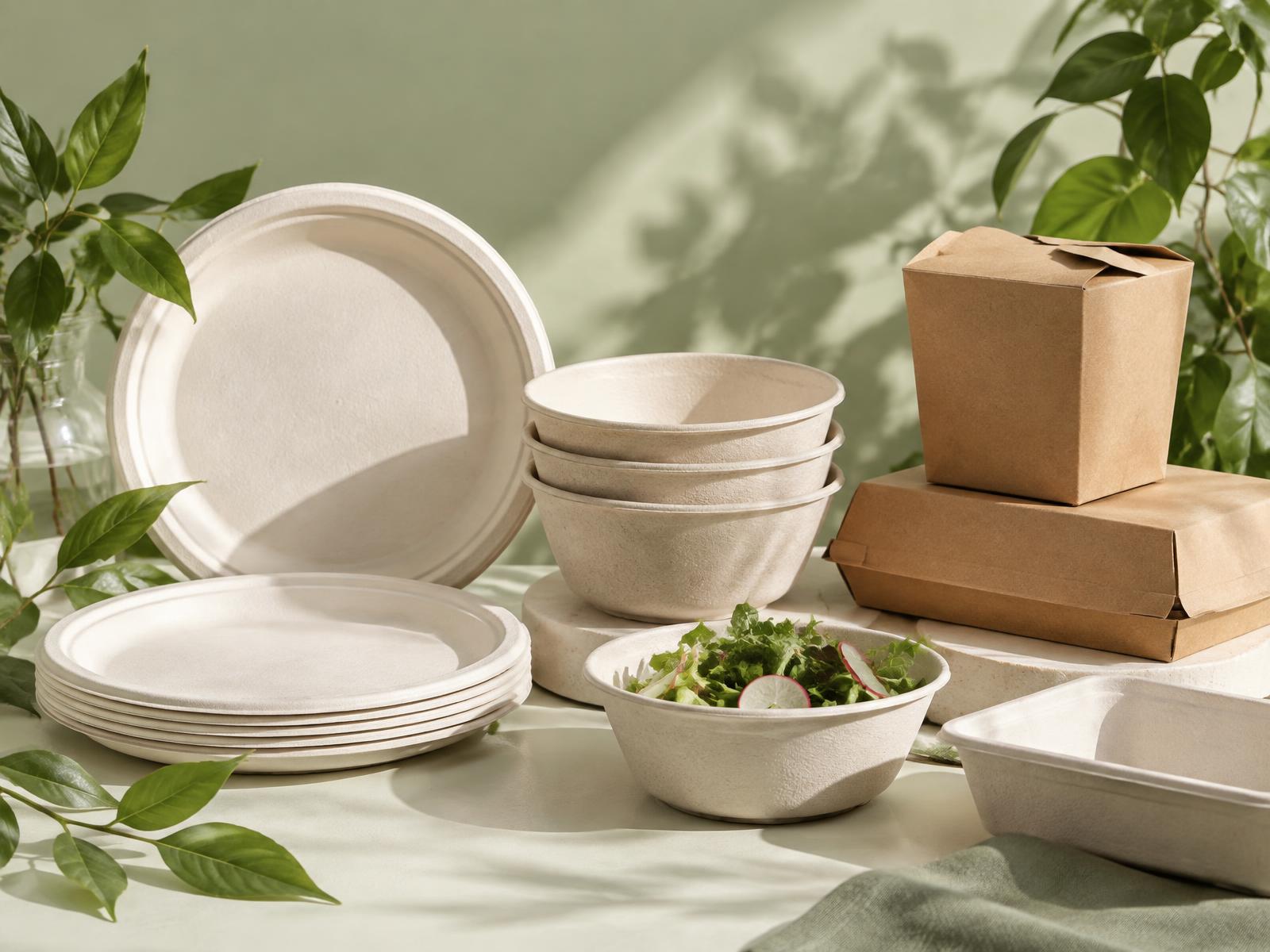
Bagasse is made from the fibre left over after sugarcane is crushed for juice. It is moulded under heat and pressure into bowls, plates, clamshells and trays.
- Handles hot, wet and oily foods well — ideal for curries, dals and rice dishes.
- Generally microwave-safe and sturdy when warm.
- Compostable in the right conditions, and made from an agricultural by-product.
- Less suited to very long holding times with thin liquids unless the lid design is leak-resistant.
Paper and kraft board
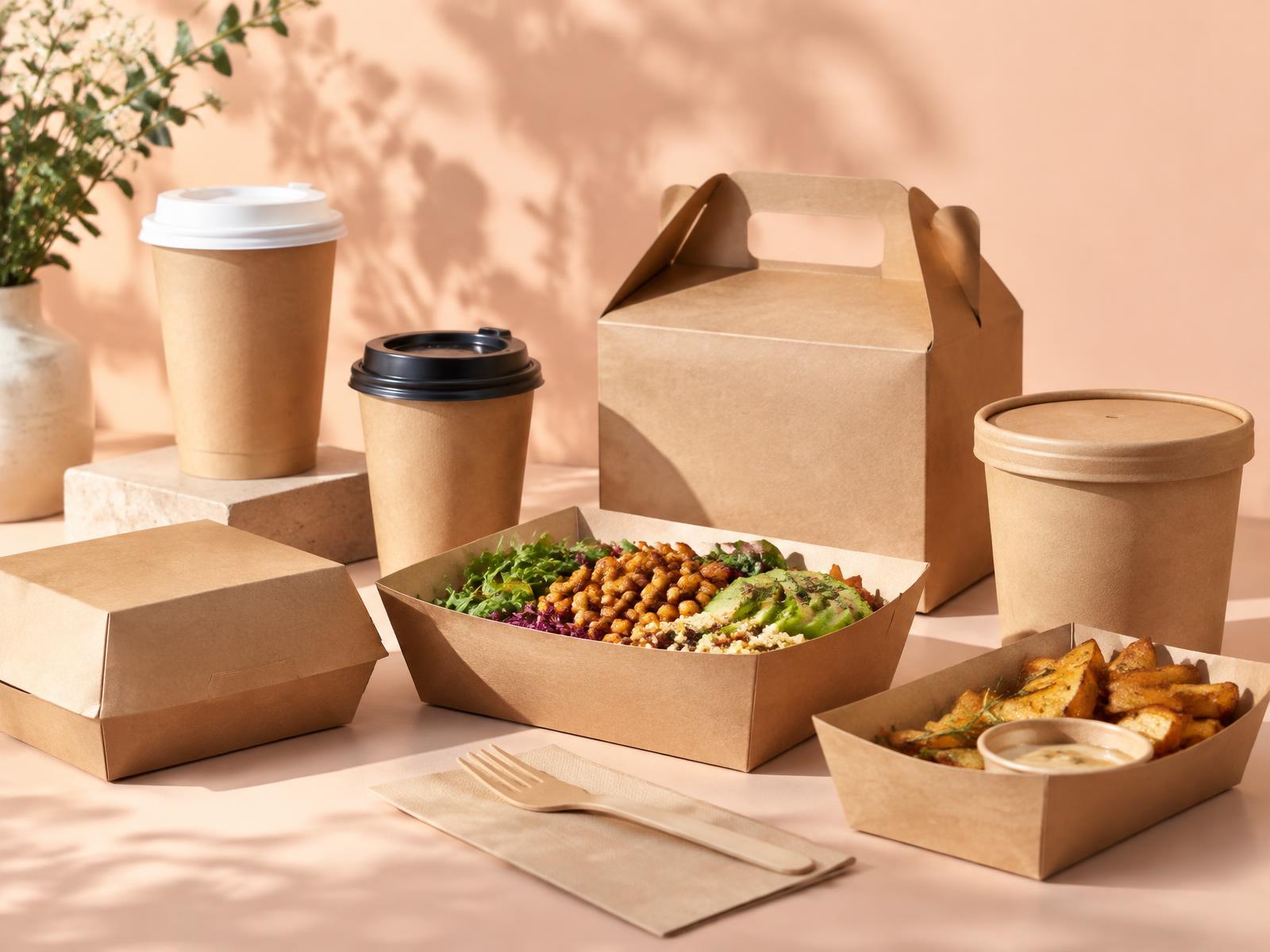
Paper-based boxes and cups are lightweight, easy to print on and widely recyclable when they are not heavily soiled.
- Excellent for dry and semi-dry foods: burgers, wraps, bakery items and snacks.
- Coated paper cups and boxes handle drinks and moist foods — check the coating type if recyclability matters to you.
- The best surface for vibrant custom branding.
Plastic
Rigid plastic containers are cheap and leak-proof, but many single-use plastic items are now restricted in India, and customers increasingly notice — and judge — plastic packaging.
A simple rule of thumb
Wet and hot → bagasse. Dry and branded → paper. Long-distance liquids → test your shortlisted container with your actual dish before ordering in bulk.
Not sure which suits your menu? Order a sample kit and test containers with your own food before committing to volume.
Need packaging for your business?
Tell us what you serve and how much you need — we'll recommend the right products and pricing.